
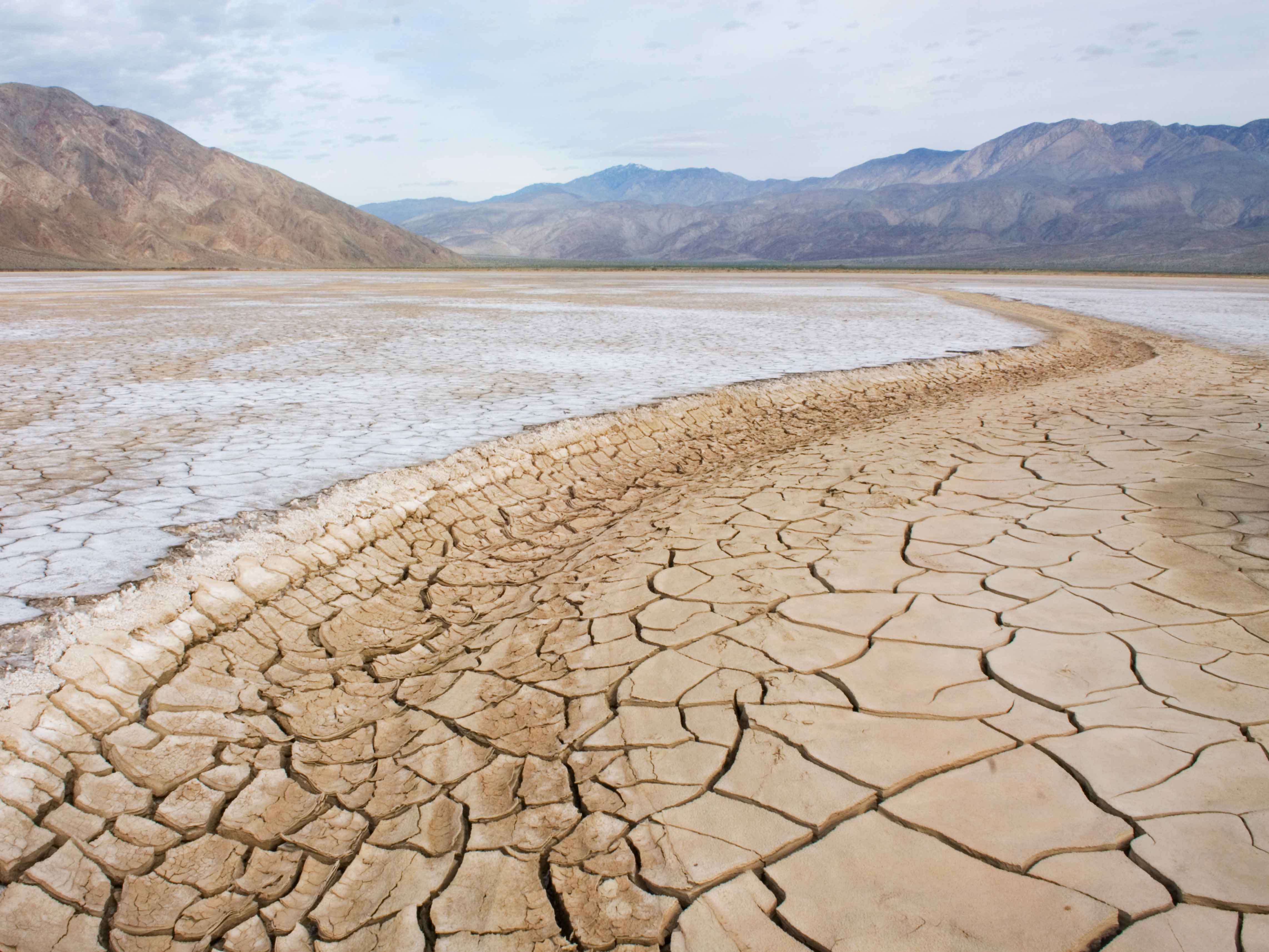
Water scarcity, a critical issue affecting communities around the world, has become a top priority for governments, organizations, and individuals as efforts intensify to address this pressing crisis. With climate change, population growth, and inadequate water management practices exacerbating the problem, global initiatives are now underway to ensure access to clean, sustainable water sources for all.
Recognizing the urgency of the situation, world leaders convened at the International Water Summit held in Stockholm, Sweden, to discuss strategies and commit to collective action. The summit brought together policymakers, scientists, and representatives from international organizations to share knowledge, exchange best practices, and foster collaboration.
During the summit, participants emphasized the need for integrated water resource management, focusing on conservation, efficiency, and innovation. They acknowledged that sustainable water management practices are essential for preserving ecosystems, supporting agricultural production, ensuring public health, and achieving social and economic development.
One of the key areas of focus is investment in infrastructure and technologies that promote water conservation and efficiency. Many nations are implementing advanced water treatment and recycling systems to maximize water reuse, reduce wastage, and minimize the strain on existing water sources. These efforts are vital in regions facing severe water scarcity and where traditional water supply methods are proving insufficient.
Furthermore, governments and organizations are prioritizing the protection and restoration of ecosystems critical for water supply, such as wetlands, forests, and watersheds. Recognizing the importance of nature-based solutions, initiatives are being launched to conserve these ecosystems, enhance their water storage capacity, and promote sustainable land management practices.
Innovations in water technology are also playing a pivotal role in addressing water scarcity. Desalination plants, which convert seawater into freshwater, are being implemented in coastal regions to augment water supplies. Additionally, advanced irrigation systems, precision farming techniques, and drought-resistant crop varieties are being developed to optimize water usage in agriculture, a sector that accounts for a significant portion of global water consumption.
Access to clean water and sanitation services remains a fundamental human right, and efforts are underway to ensure equitable access for all populations. International aid organizations are working in collaboration with local communities to implement sustainable water supply systems in underserved areas, improving hygiene practices and reducing water-related diseases.
The private sector is also actively engaged in addressing water scarcity, recognizing the business risks associated with water stress and the importance of corporate social responsibility. Many companies are implementing water stewardship programs, investing in water-efficient technologies, and collaborating with stakeholders to reduce their water footprint.
The fight against water scarcity requires multi-stakeholder collaboration and sustained commitment. Governments, organizations, communities, and individuals all have a role to play in conserving and efficiently managing water resources. By sharing knowledge, resources, and best practices, the global community can make significant strides in mitigating the impacts of water scarcity and ensuring a sustainable water future for generations to come.
As the International Water Summit concluded, participants expressed their determination to translate commitments into action. The urgency of the water scarcity crisis demands swift and concerted efforts to implement innovative solutions, strengthen water governance, and prioritize sustainable water management practices worldwide. Through collective action and collaboration, the global community can overcome this challenge and secure a water-secure future.