
In a united effort to combat the pressing challenges of climate change, world leaders from across the globe gathered today for the highly anticipated Global Climate Summit held in Geneva, Switzerland. The summit, a pivotal moment in international cooperation, saw heads of state and representatives from more than 150 countries come together to discuss and commit to ambitious actions aimed at mitigating the effects of climate change.
With the planet experiencing increasingly severe weather events and ecological disruptions, the urgency to address climate change has reached a critical level. The summit provided a platform for leaders to share ideas, strategies, and commitments in order to accelerate the global transition to a sustainable, low-carbon future.
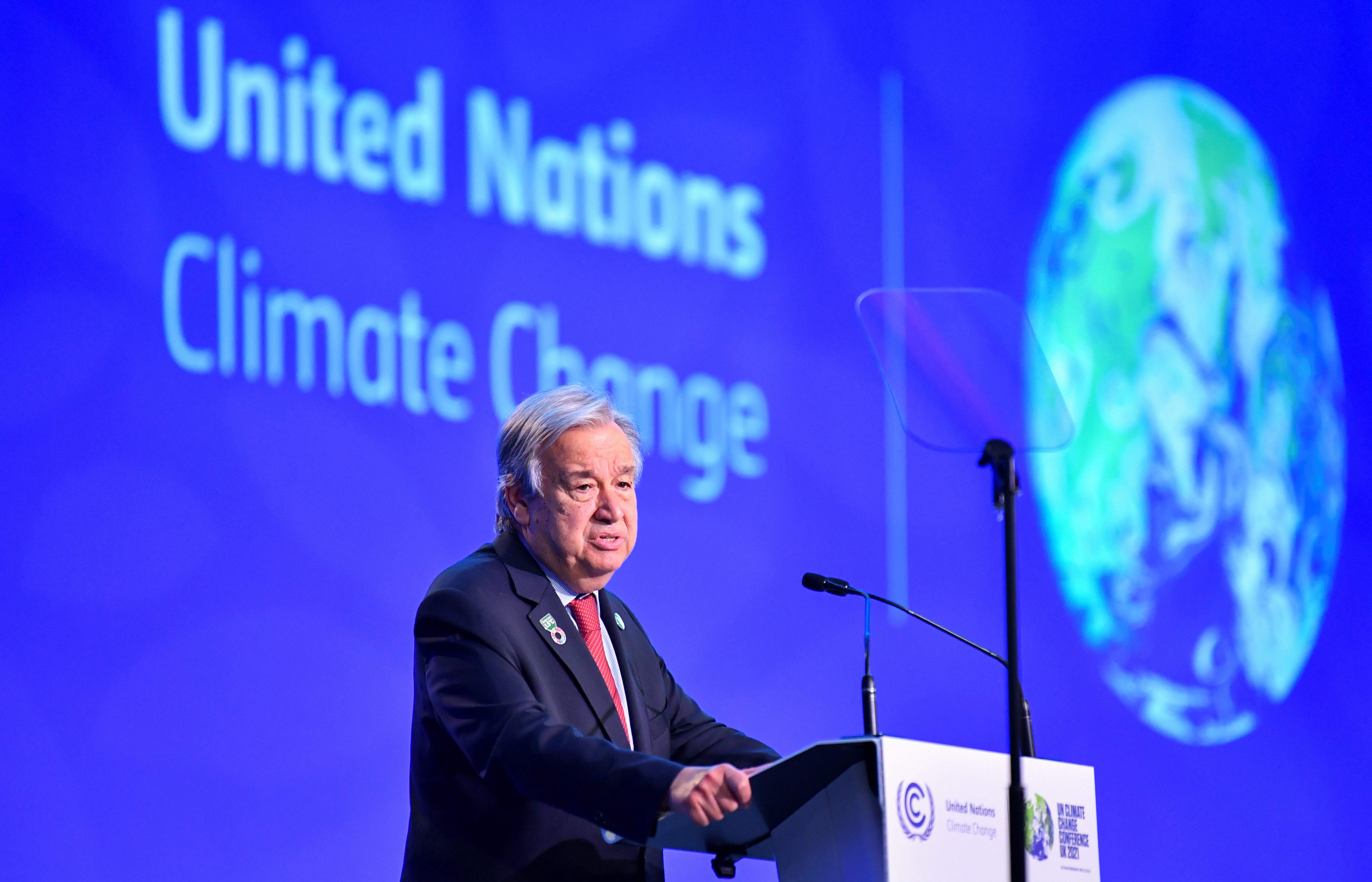
Addressing the summit's attendees, United Nations Secretary-General emphasized the gravity of the situation and the need for immediate action. "The science is clear, and the window of opportunity is closing rapidly," the Secretary-General stated. "We cannot afford to delay any longer. The time for action is now."
One of the key highlights of the summit was the announcement of the Global Climate Action Plan, a comprehensive framework designed to guide nations in their efforts to reduce greenhouse gas emissions and transition to renewable energy sources. The plan includes targets for emission reductions, investment in clean technologies, and support for vulnerable communities impacted by climate change.
Several countries took the opportunity to present their own bold commitments and initiatives during the summit. The European Union pledged to achieve net-zero greenhouse gas emissions by 2050, while China, the world's largest emitter, announced an ambitious plan to reach carbon neutrality by 2060. Other nations, including the United States, India, and Brazil, outlined specific steps to reduce their carbon footprints and transition to renewable energy.
The private sector also played a significant role in the summit, with numerous CEOs and business leaders pledging their support for sustainable practices and innovative solutions. Collaborations between governments and corporations were announced, focusing on areas such as clean transportation, renewable energy infrastructure, and sustainable agriculture.
In addition to emission reductions, discussions at the summit emphasized the importance of adaptation and resilience. Leaders acknowledged the need to invest in infrastructure, technology, and strategies that can help communities adapt to the changing climate and withstand its impacts. Efforts to protect and restore natural ecosystems, such as forests and wetlands, were also emphasized as crucial for mitigating climate change and preserving biodiversity.
The Global Climate Summit concluded with a renewed sense of urgency and commitment to accelerate action. The agreements and pledges made during the event will be followed up with concrete measures, transparent reporting mechanisms, and international cooperation to ensure accountability and progress.
As the world faces the immense challenges posed by climate change, the Global Climate Summit serves as a testament to the collective will and determination of nations to work together towards a sustainable and resilient future. The commitments made at the summit signal a turning point in global efforts to combat climate change, providing hope that the necessary actions will be taken to protect our planet for future generations.